UZBEKISTAN
We stepped off the train and into the desert heat, moving straight into the ancient heart of the Silk Road. Our journey through Samarkand, Bukhara, and Khiva felt like walking through a living history book, where every turn revealed a new shade of blue against the vast canvas of the sand.
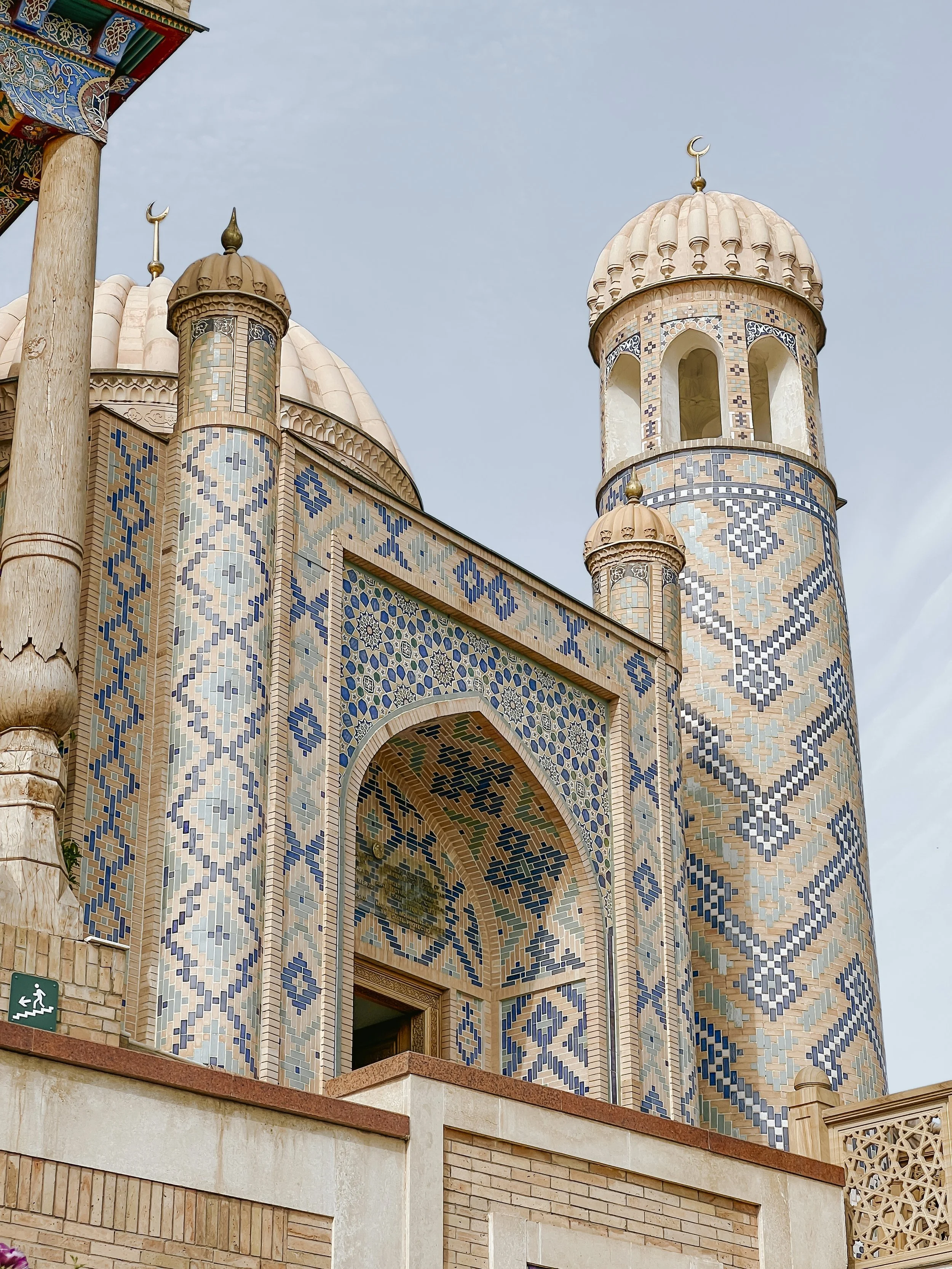
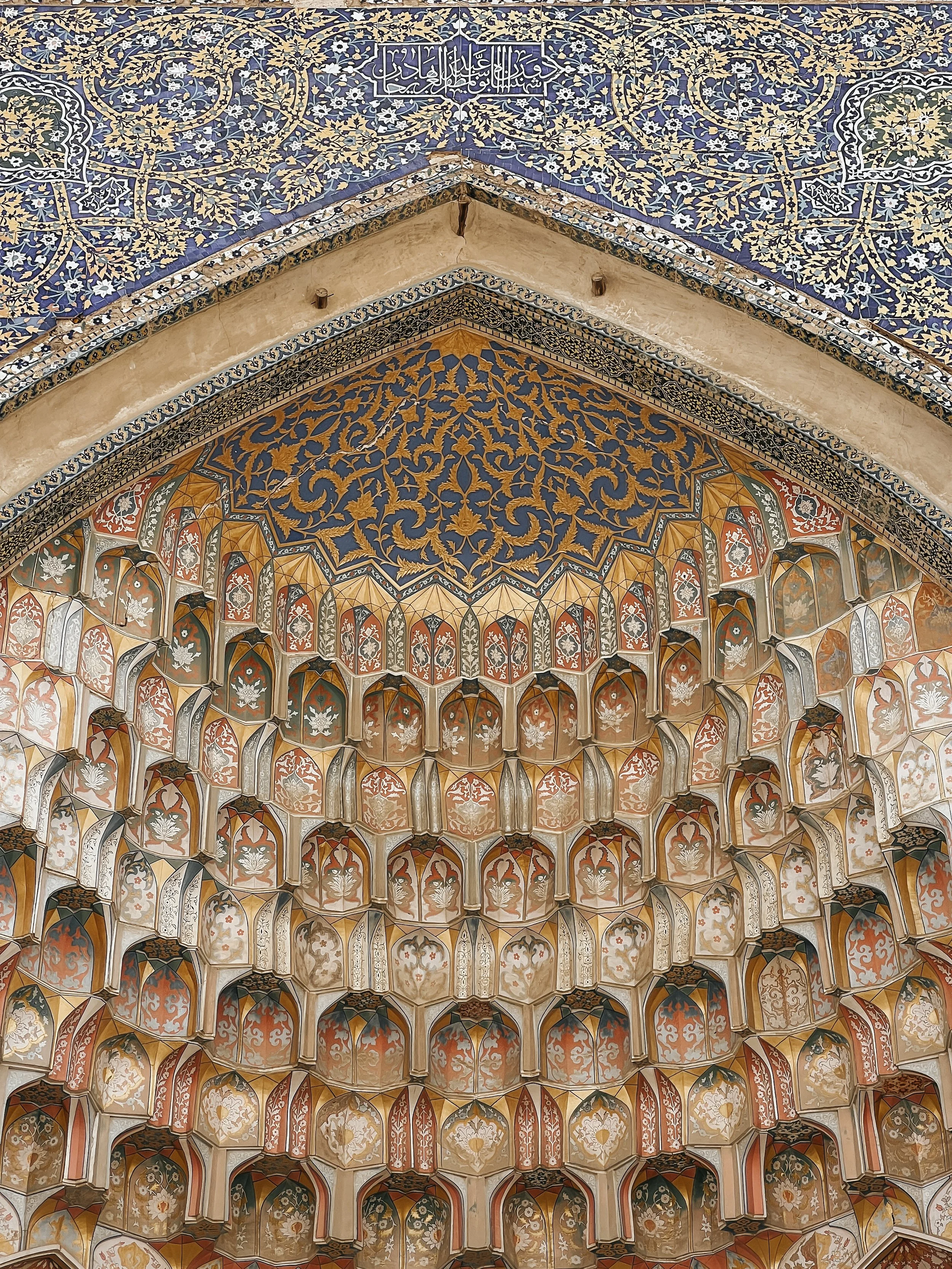
In Samarkand, the Registan appeared as a breathtaking sea of sapphire and turquoise. The massive madrasahs were draped in intricate tiles that seemed to change color as the sun moved, shifting fluidly from a bright sky-blue to a deep, royal navy. Inside the mosques, we found ceilings heavy with gold leaf, glowing like warm embers in the dim light.
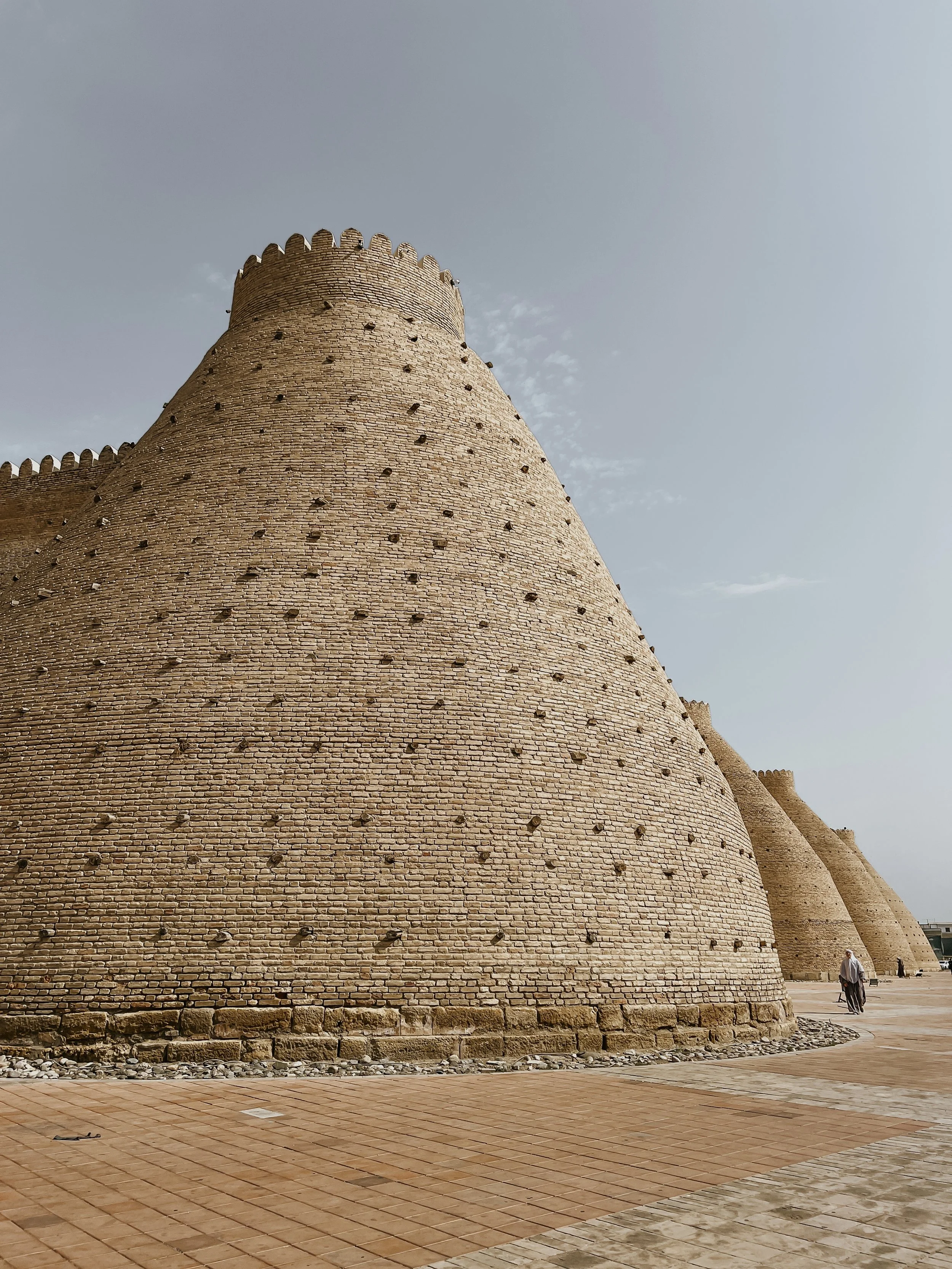
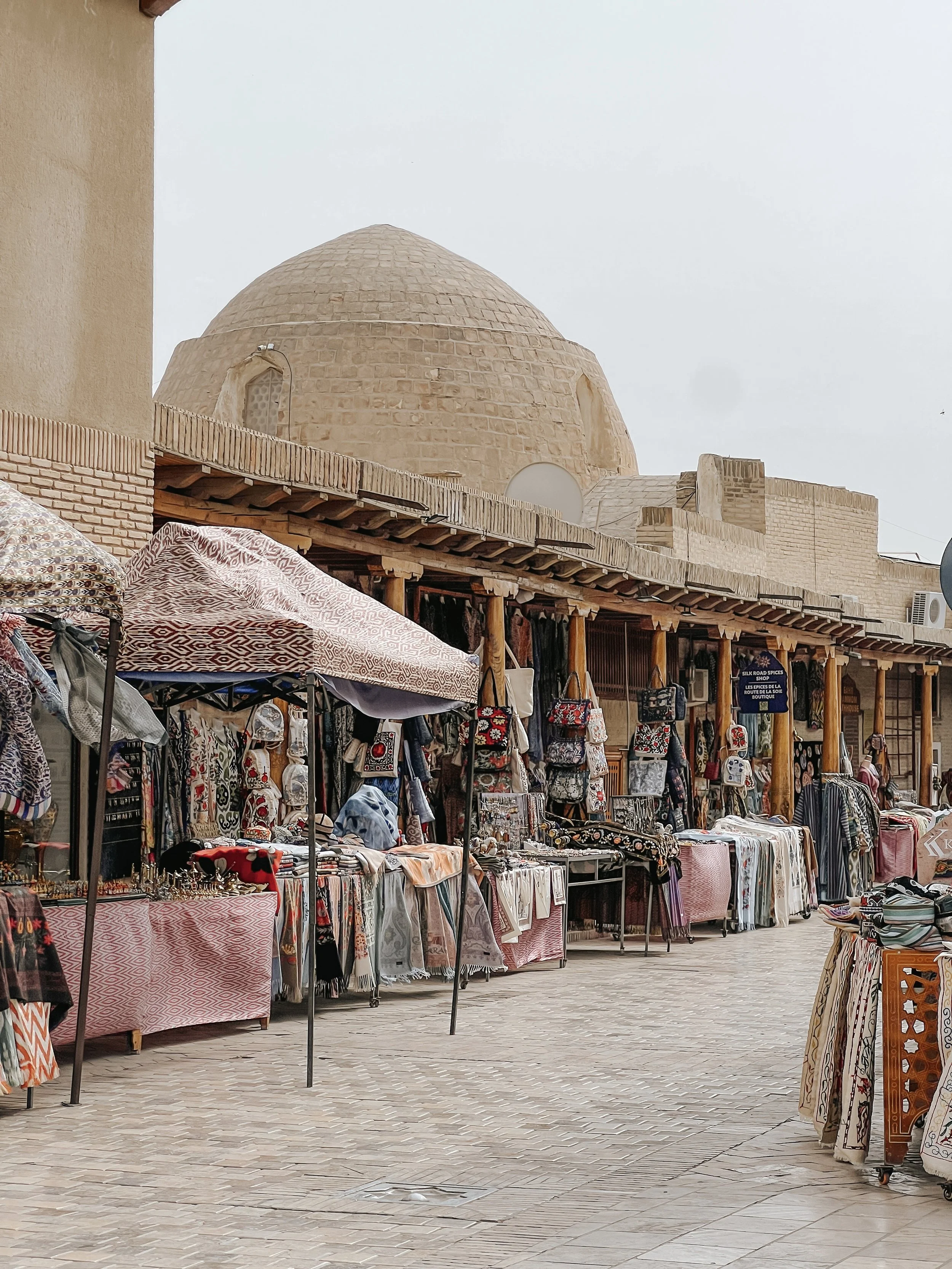
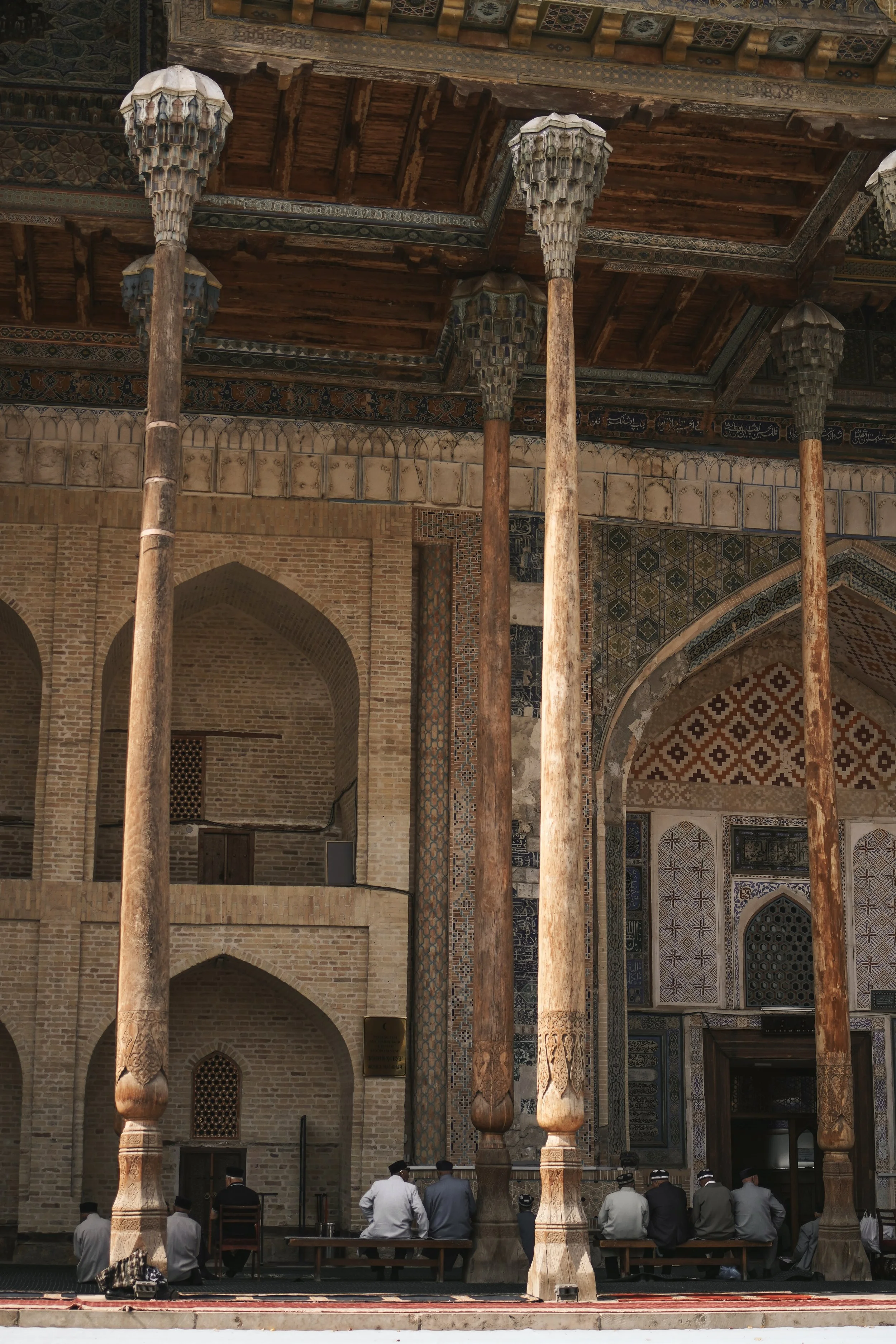
Bukhara felt entirely grounded, dominated by the warm, earthy tones of sun-dried brick. We wandered past historic mosques the color of toasted sand, punctuated by the occasional weathered dome. The Kalyan Minaret rose above us in shades of ochre and terracotta, its textured patterns casting long, geometric shadows across the dusty plazas.
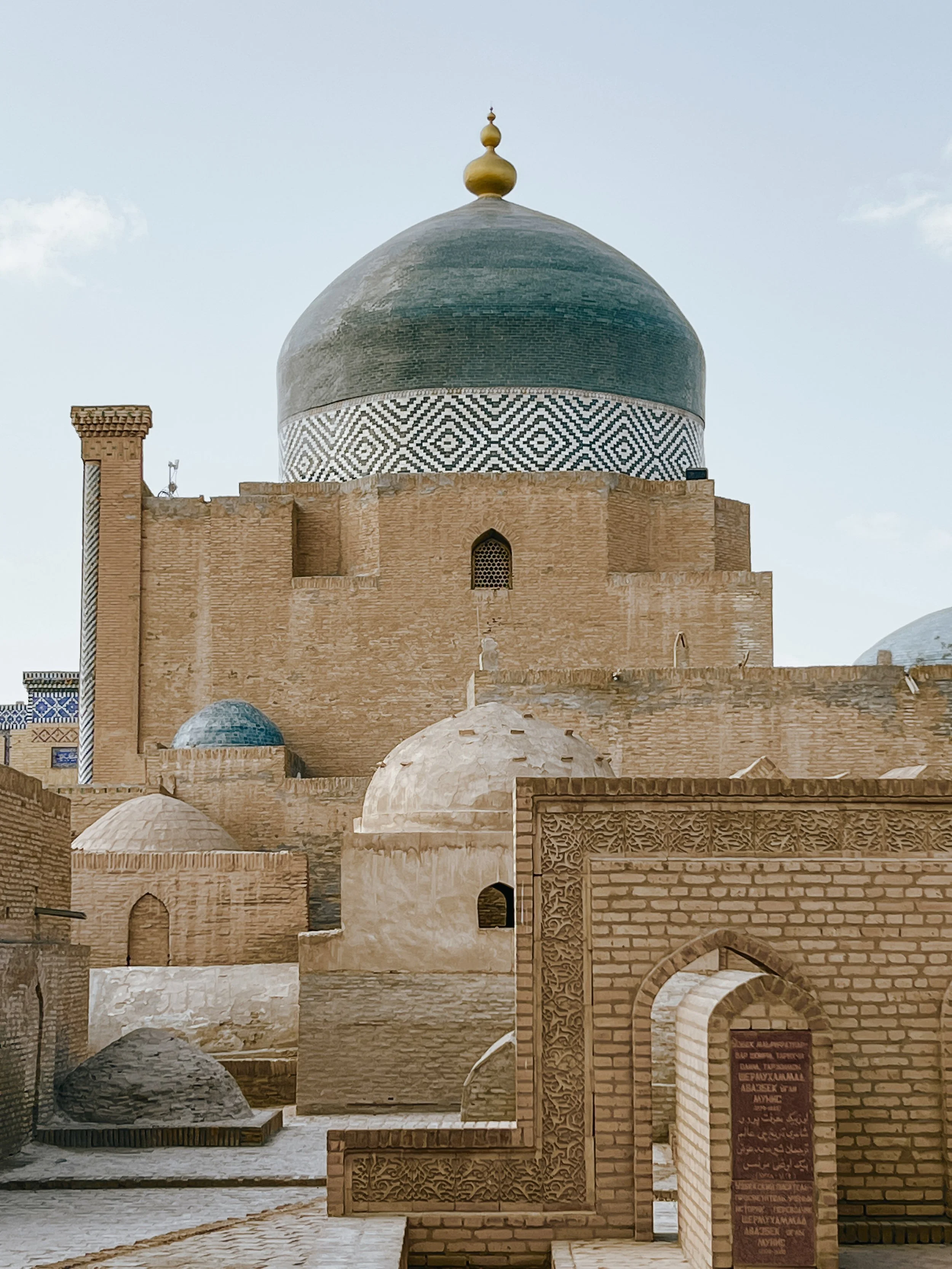
Finally, we reached the walled city of Khiva. The entire town felt as though it was carved from the desert itself, with cinnamon-colored walls glowing in the late afternoon sun. The only break in the beautiful monochrome was the Kalta Minor Minaret, wrapped in brilliant bands of emerald and teal tiles that looked like raw jewels set against the pale brown clay.
As we left the desert behind, the vibrant blues and earthy golds of the Silk Road stayed with us. These ancient cities are far more than just monuments of stone and tile; they stand as a quiet testament to centuries of artistry and connection. We walked away feeling as though we hadn’t just witnessed history, but had briefly lived within its most colorful chapters.