A S I A
TAJIKISTAN
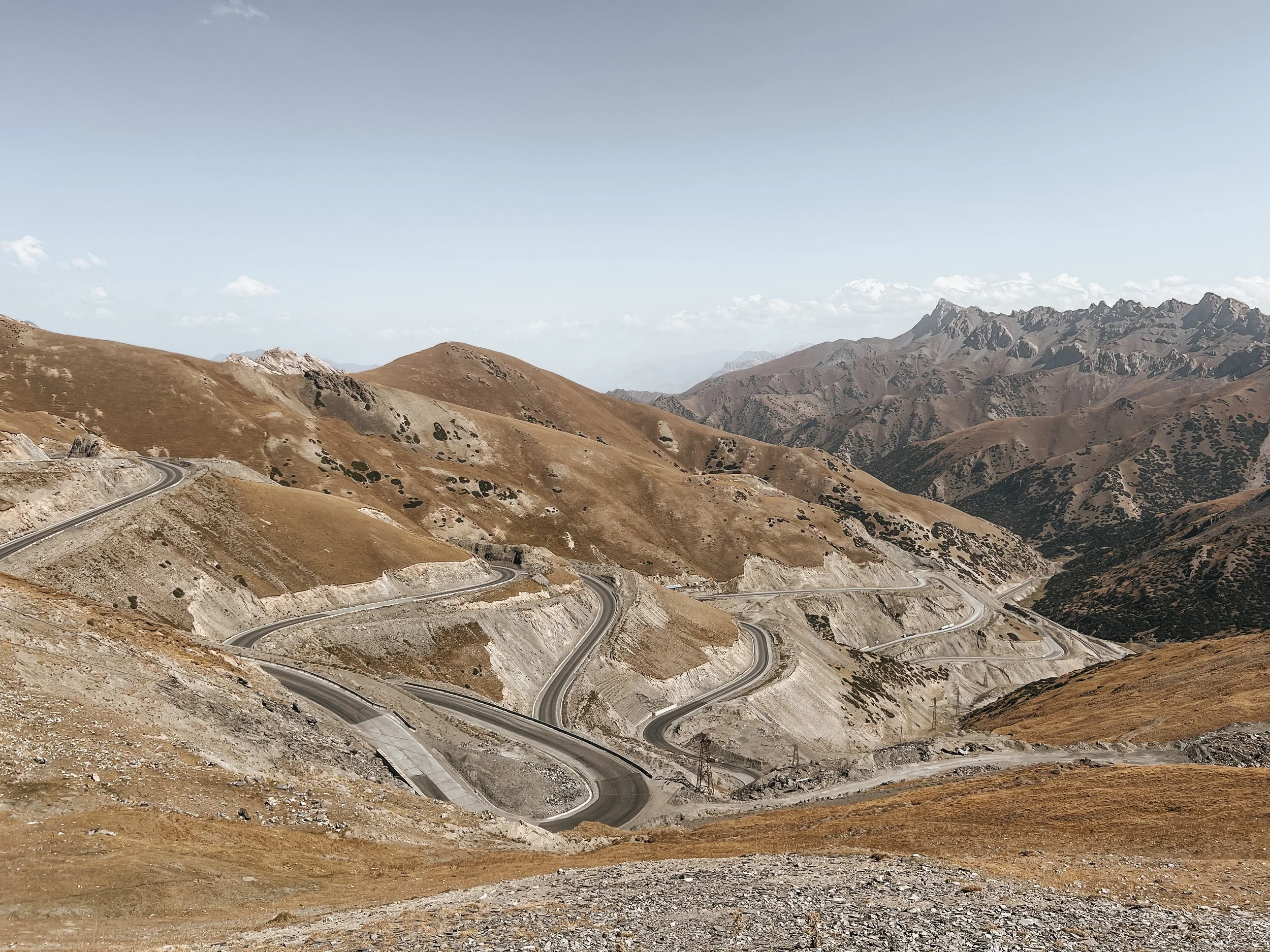
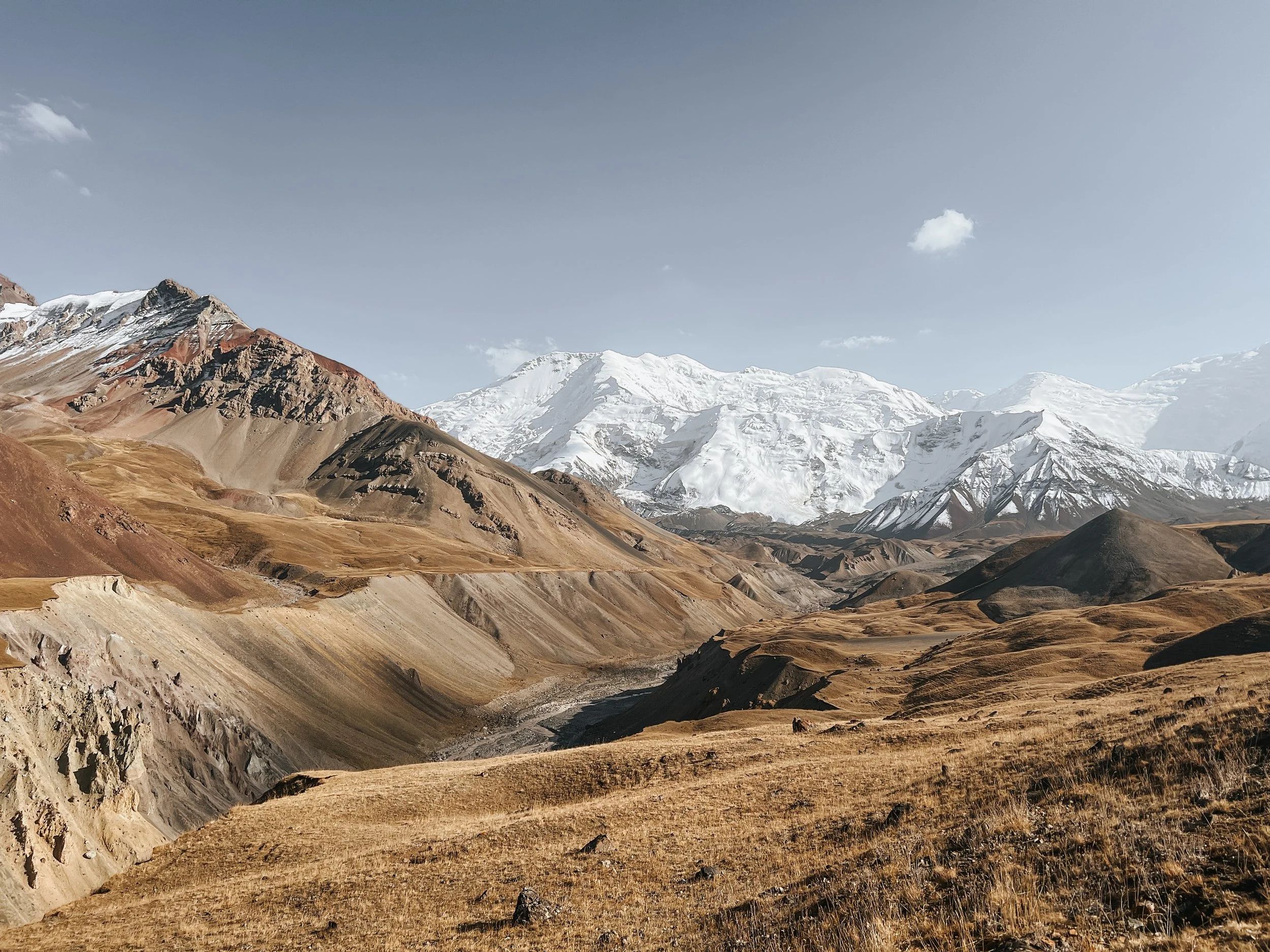
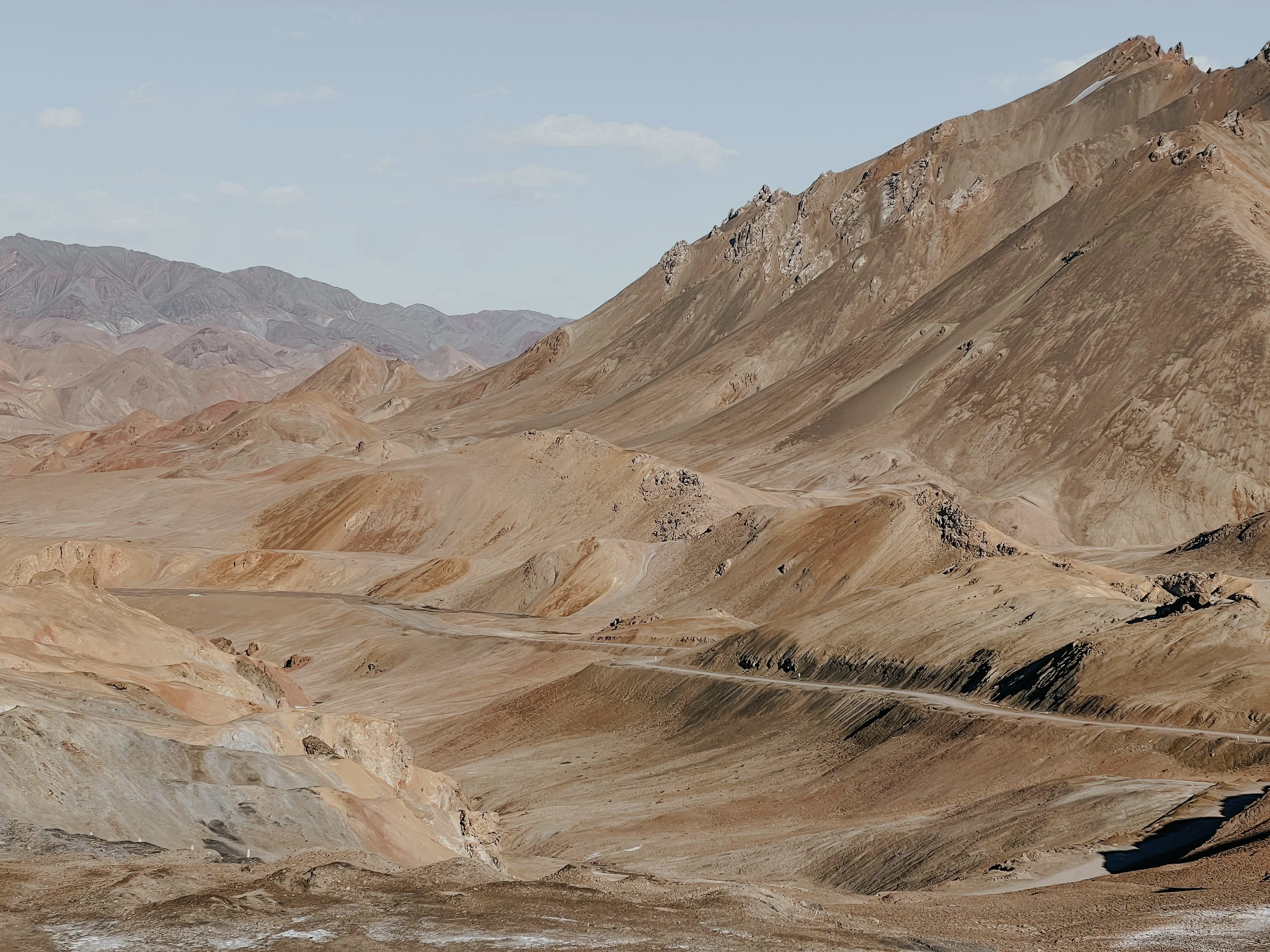
The air at the edge of Osh is crisp and laden with the scent of wild sage, marking the threshold where the fertile lowlands dissolve into raw vertical stone. Ahead lies the Pamir Highway, a ribbon of dirt and asphalt slicing through some of the most isolated alpine landscapes on earth. Setting out into this vast expanse, the world shifts instantly into a slower, more elemental frequency. For nine days, our journey transcends the mere act of transit, becoming a deep immersion into a territory shaped entirely by altitude, solitude, and ancient resilience.
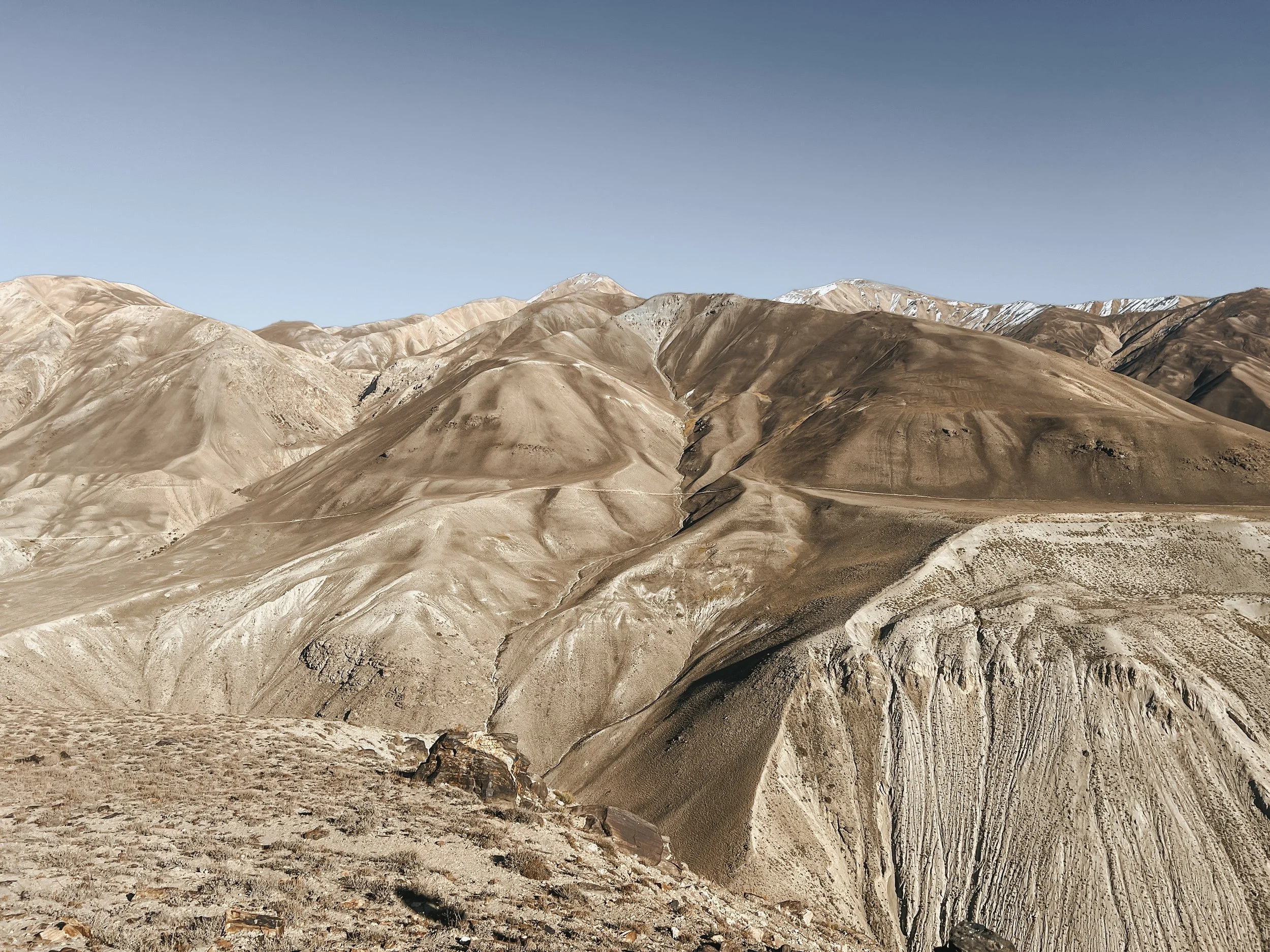
Ascending into the high plateaus, the landscape flattens into an surreal, windswept moonscape framed by staggering, ice-locked walls of white. We spend our days tracking wild rivers along the narrow corridors of the Wakhan Valley, staring directly across the water into the stark, silent peaks of Afghanistan. Here, the true privilege of slow travel reveals itself in its purest form. While traditional tourism rarely reaches these remote borders, Ian and I choose to let the days unfold organically, stopping to linger in tiny, oasis-like villages built from sun-dried mud and stone. We spend long, unhurried afternoons sitting on vibrant wool carpets inside family homes, warming our hands over iron stoves while drinking endless cups of hot tea and eating bowls of thick, slow-simmered barley broth passed around low wooden tables.
As our route charts its slow descent toward Dushanbe, the jagged high valleys gradually soften into rolling, terracotta-colored gorges and rushing glacial streams. Arriving in the capital, the transition feels monumental; the absolute solitude of the high passes gives way to broad, tree-lined avenues and the gentle hum of city squares. Walking through the city under a warm afternoon sun, we realize that the true heart of the highway wasn't found in conquering the high altitudes. It was woven into the quiet, shared moments of shelter against the elements, the humbling scale of the mountains, and the deep, silent rhythms of a world completely untouched by the rush of modern life.
THAILAND
The morning air in Bangkok is heavy and electric, alive with the crackle of neon and the scent of crushed ginger. From our base in Chinatown, the city feels gloriously untamed, a labyrinth of narrow alleyways where gold shops gleam under decades of soot and steam rises from immense, hissing woks. We spend our first days with no goal other than to absorb the friction of the streets, navigating the sensory blur on foot and allowing our internal clocks to slow to a deliberate, mindful rhythm.
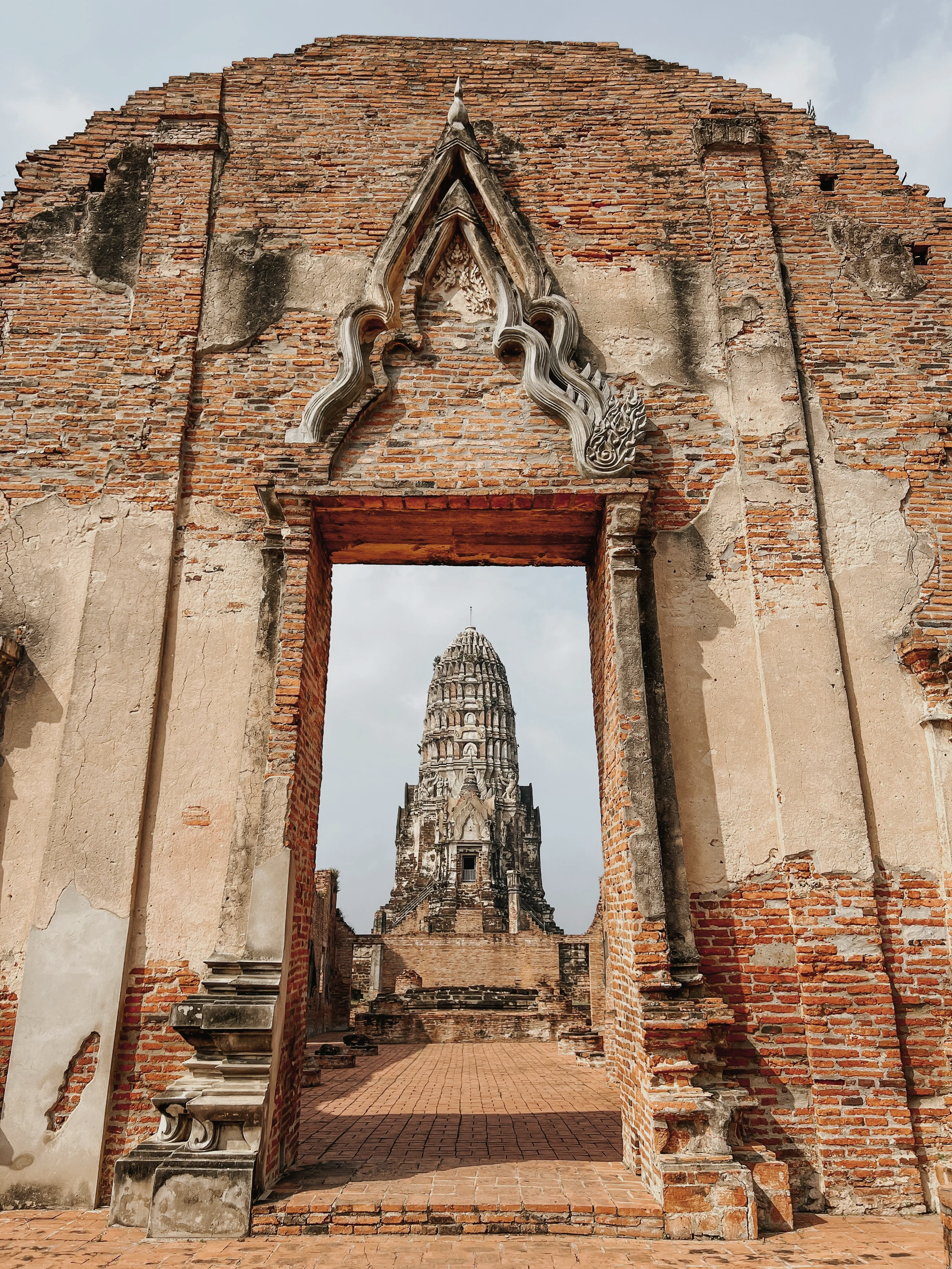
Leaving the capital behind, our journey transforms into a northward pilgrimage through the ancient spines of the country. Traveling at an unhurried pace, we drop first into the sun-baked brick complexes of Ayutthaya, where ancient stupas rise like quiet mountains out of the jungle floor. Days later, we push deeper into Sukhothai, losing ourselves among the sprawling, stone ruins of the kingdom's cradle. Here, the true luxury of slow travel reveals itself. While day-trippers rush past with cameras blinking, Ian and I choose to linger, watching the afternoon sun slip quietly behind a colossal, seated stone Buddha, casting a long, silent shadow over the reflective lotus ponds below.
Our northern trajectory culminates in the mist-shrouded peaks of Chiang Mai. The frantic energy of the lowlands dissolves into the cool, mountain air and the gentle chime of temple bells echoing from the hillsides. Settling into our neighborhood, our days shift into a peaceful, neighborhood rhythm. We spend hours exploring the ancient, walled city, ducking into quiet wooden temples, and sitting at low tables over steaming bowls of rich, coconut-curry broth. It is a journey built on transitions, a seamless thread running from the neon-lit chaos of the capital’s oldest streets to the serene solitude of the northern mountains, proving once again that the world is best experienced when you give it the time to unfold.
TURKEY
The morning light breaks soft and golden over the Bosphorus, casting long shadows across the cobblestones of Galata. From the windows of our apartment, the city feels like a living canvas, a beautiful chaos of ferry horns, crying seagulls, and the distant, rhythmic call to prayer echoing across the Golden Horn. Standing here, waiting for Ian to stir, I watch the neighborhood slowly wake up. Traders are rolling out canvas awnings, and the sharp, rich aroma of brewing coffee begins to drift up from the street below.
This journey was born from a beautiful excuse, chasing entirely new horizons to visit a dear friend who was currently living on the vibrant Asian side of the city in Kadıköy. Reunited after a spontaneous decision to just go, our days unfold without a rigid schedule, leaning fully into the luxury of a slow, deliberate pace. Guided by her local insight, we spend our afternoons wandering both the steep, winding lanes of Galata and the bustling, creative avenues of her home neighborhood across the water. We duck into quiet, underground spaces to escape the afternoon heat, losing track of time over smoky, perfectly charred kebabs and clear, anise-scented spirits that turn milky white when poured over ice. Meals are long, unhurried affairs shared around low tables on hidden terraces. We feast on local rhythms, enjoying flatbreads pulled steaming from stone ovens, rich dips swirled with fragrant olive oil and wild herbs, and plates of tender, smoked fish that offer a perfect taste of the sea.
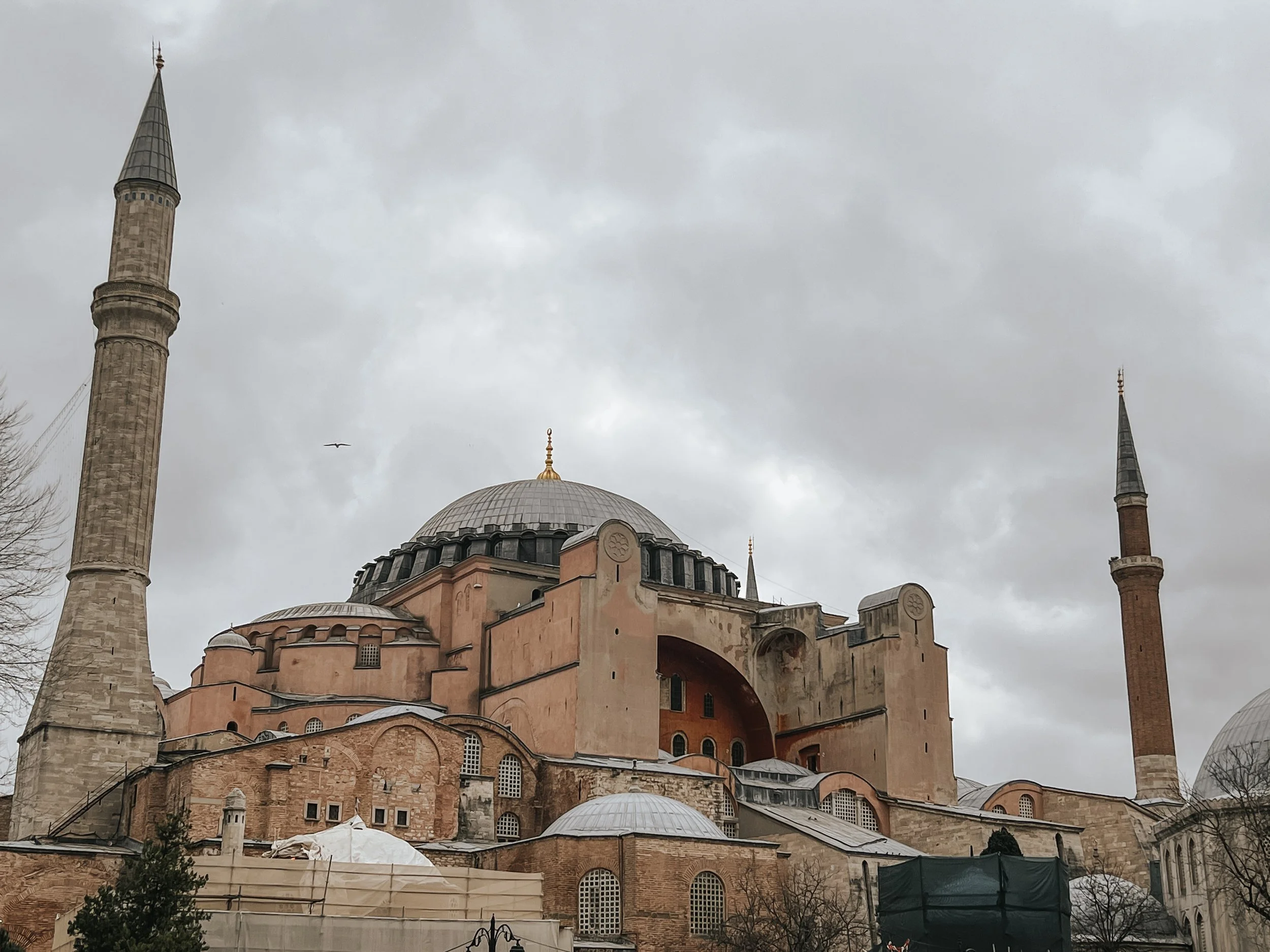
On our final afternoon, we step inside the breathtaking expanse of the Hagia Sophia. Standing beneath its colossal, floating dome, the weight of centuries feels almost tangible. The way the filtered sunlight catches the ancient, gilded mosaics overhead leaves us entirely hushed, anchored completely in the sheer majesty of the space. Walking out into the warm afternoon air together as the sun begins its slow descent along the shoreline, we realize that the true magic of the trip wasn't found in a standard tourist itinerary. It was woven into the quiet, shared moments of discovery, lingering over conversation while the soul of the city washed completely over us.
UNITED ARAB EMIRATES
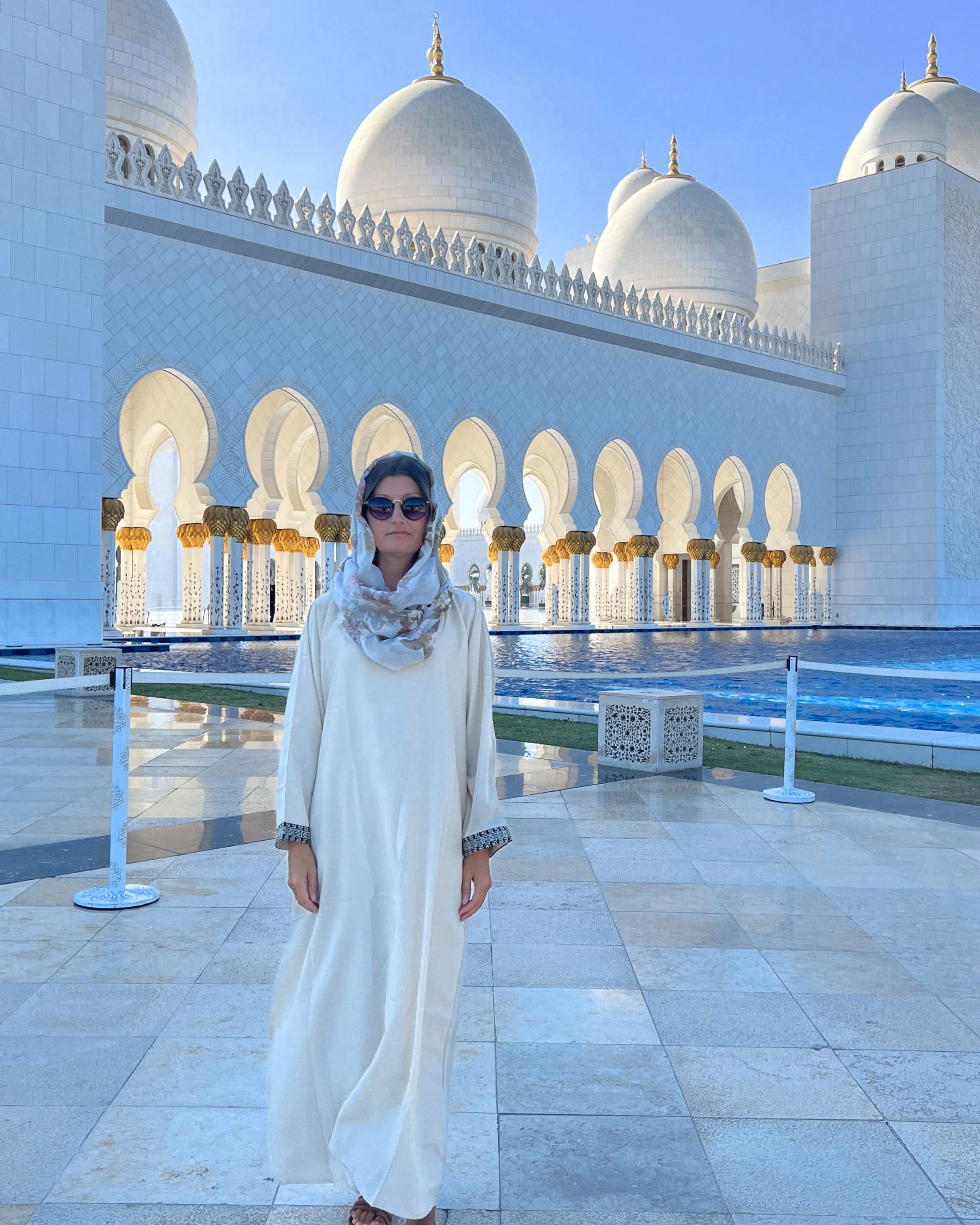
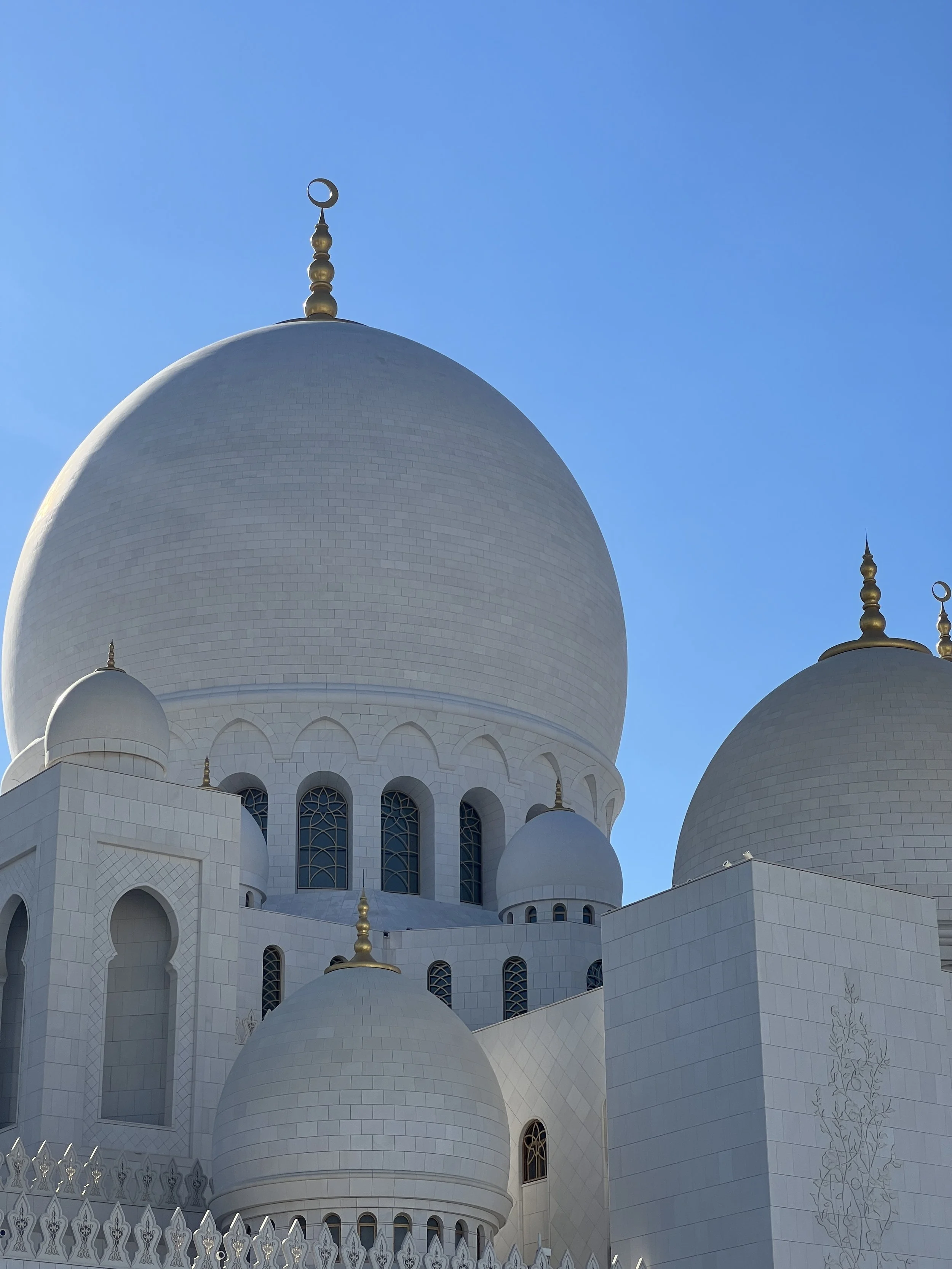
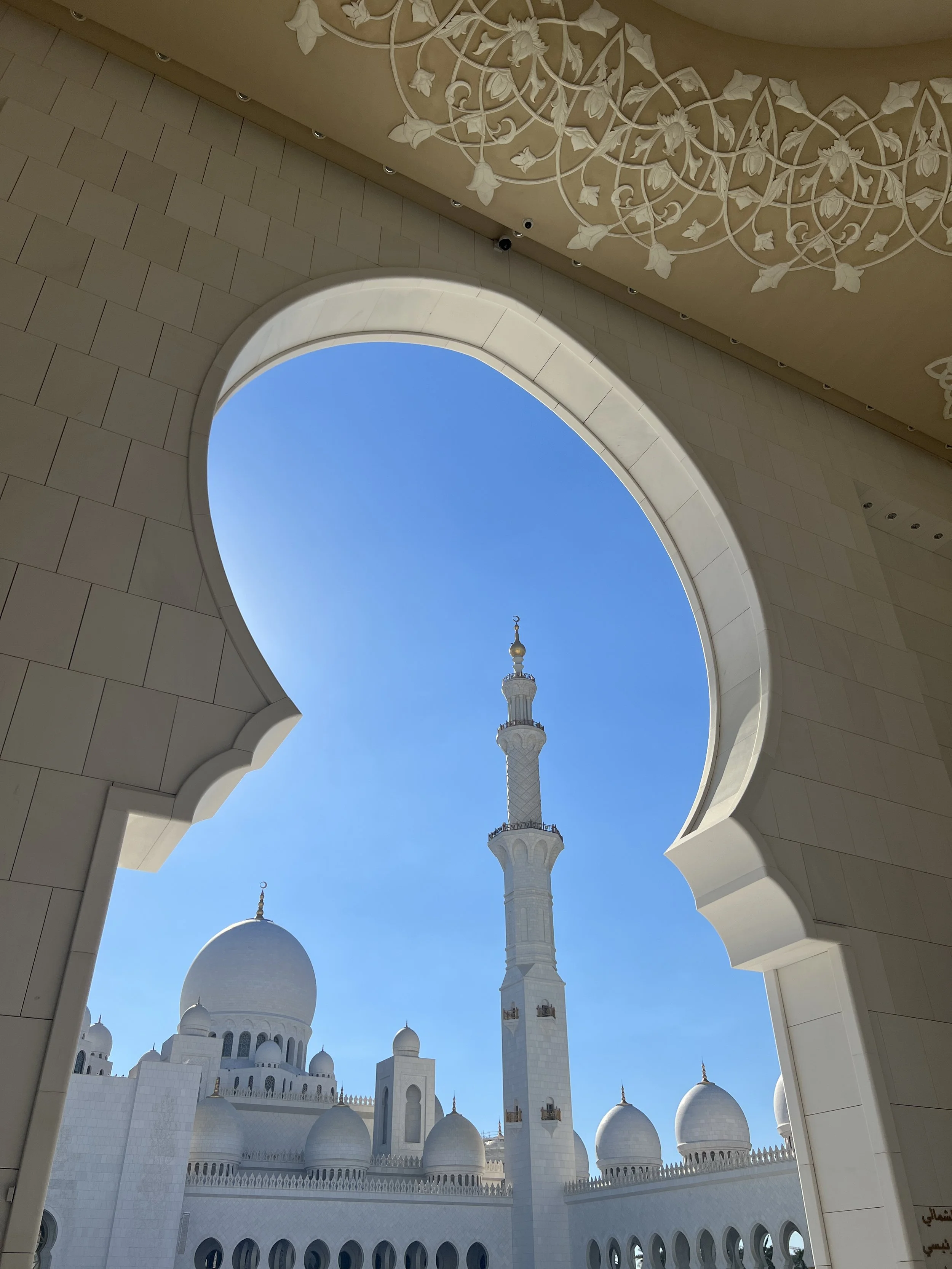
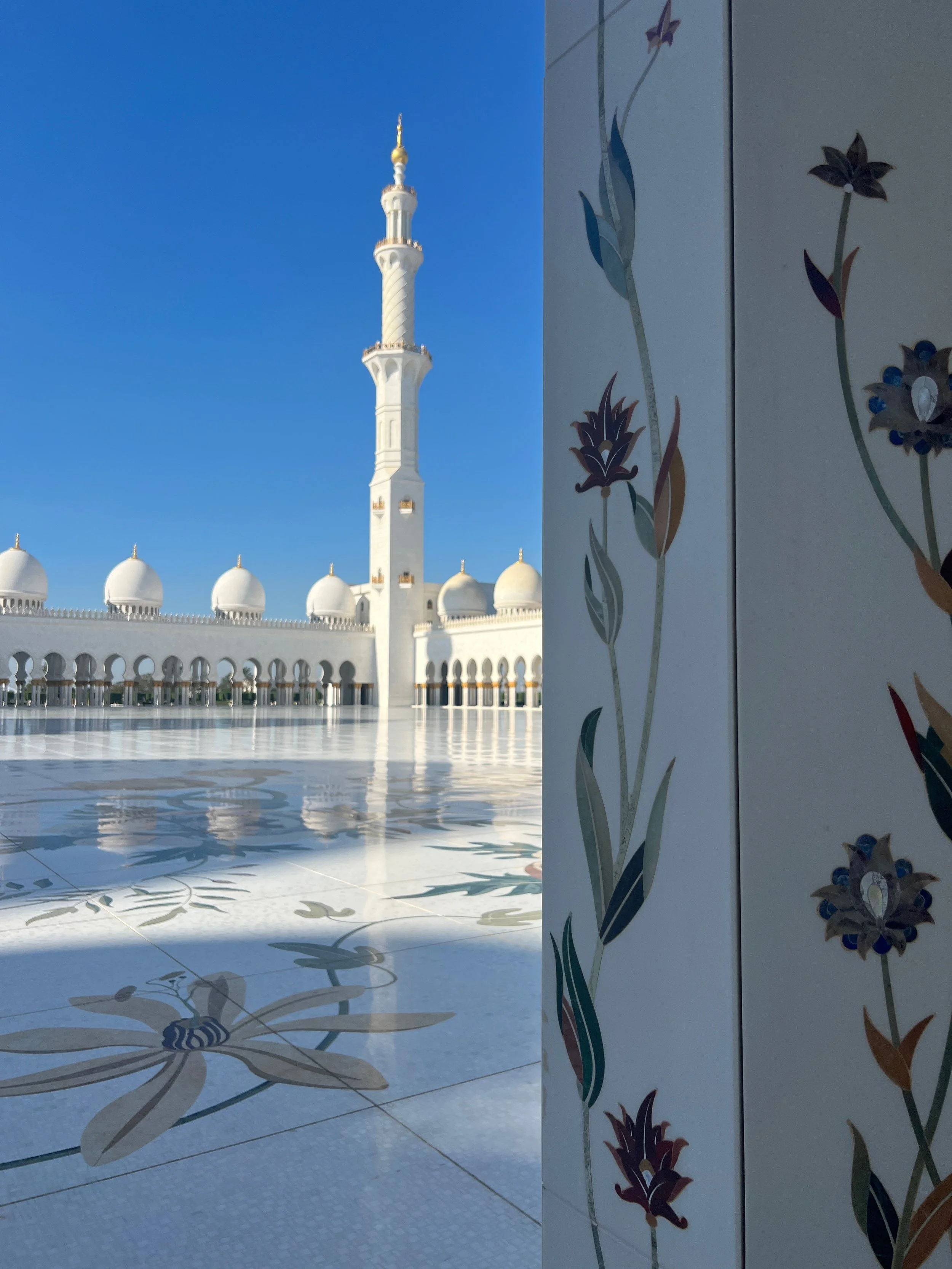
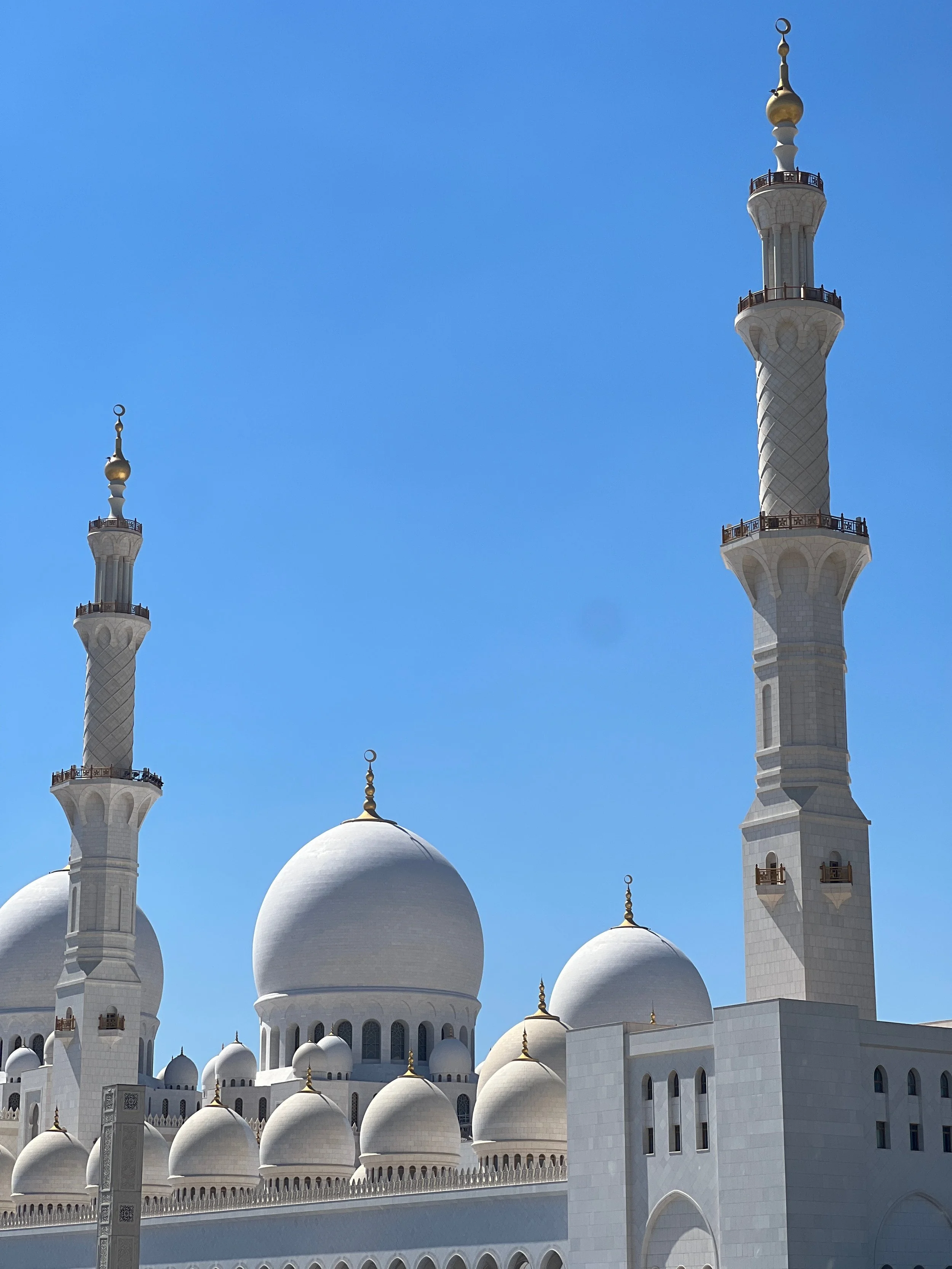
The morning light hits the Sheikh Zayed Grand Mosque with a brilliance that feels almost staged. Stepping onto the vast courtyard, the heat of the Abu Dhabi sun is softened by the sight of 100,000 tons of white Macedonian marble glowing against a pale desert sky. Because it is Ramadan, the city has retreated into a respectful, intentional hush; the usual frantic energy of the capital is replaced by a profound stillness that makes the mosque feel even more like a sanctuary.
Inside, the transition from stone to softness is surreal. Walking barefoot across the world’s largest hand-knotted carpet, a stunning sea of green wool woven by over a thousand artisans, your footsteps disappear into the quiet. Looking up, the massive Swarovski chandeliers catch the light like suspended jewels.
There is a weight to the history here, rooted in the vision of Sheikh Zayed, who designed this space to bridge cultures. Every single column stands as a testament to that vision, inlaid with lapis lazuli and amethyst in delicate floral vines that seem to bloom directly out of the marble.
As the afternoon unfolds, the quiet follows you through the city streets. With the residents resting before the sunset Iftar, the turquoise water of the Arabian Gulf laps against a nearly empty skyline along the Corniche. It is a rare moment to see Abu Dhabi in such a reflective state, where the architectural grandeur of the mosque and the stillness of the desert air create a day defined by a beautiful, prayerful pause.
UZBEKISTAN
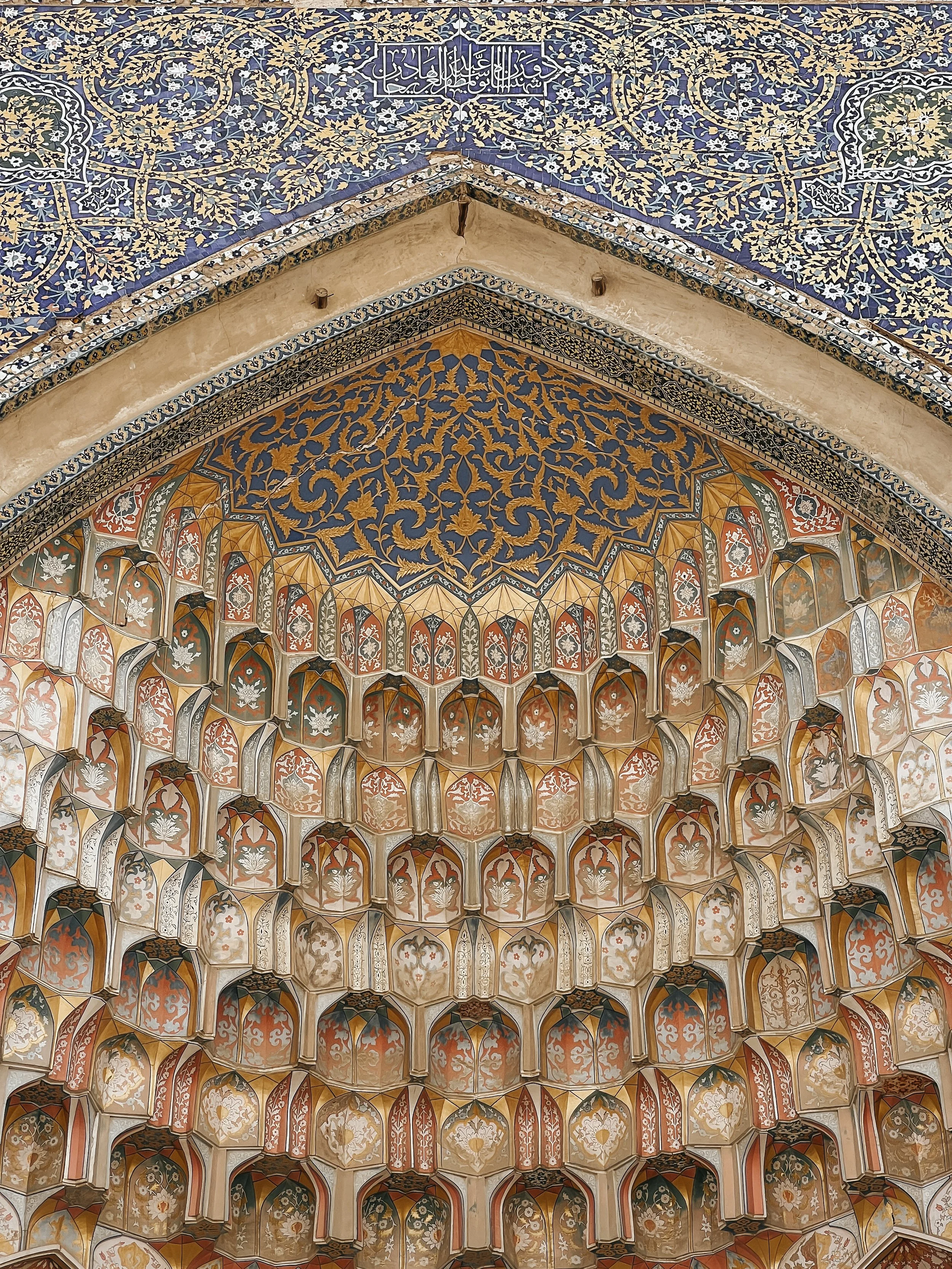
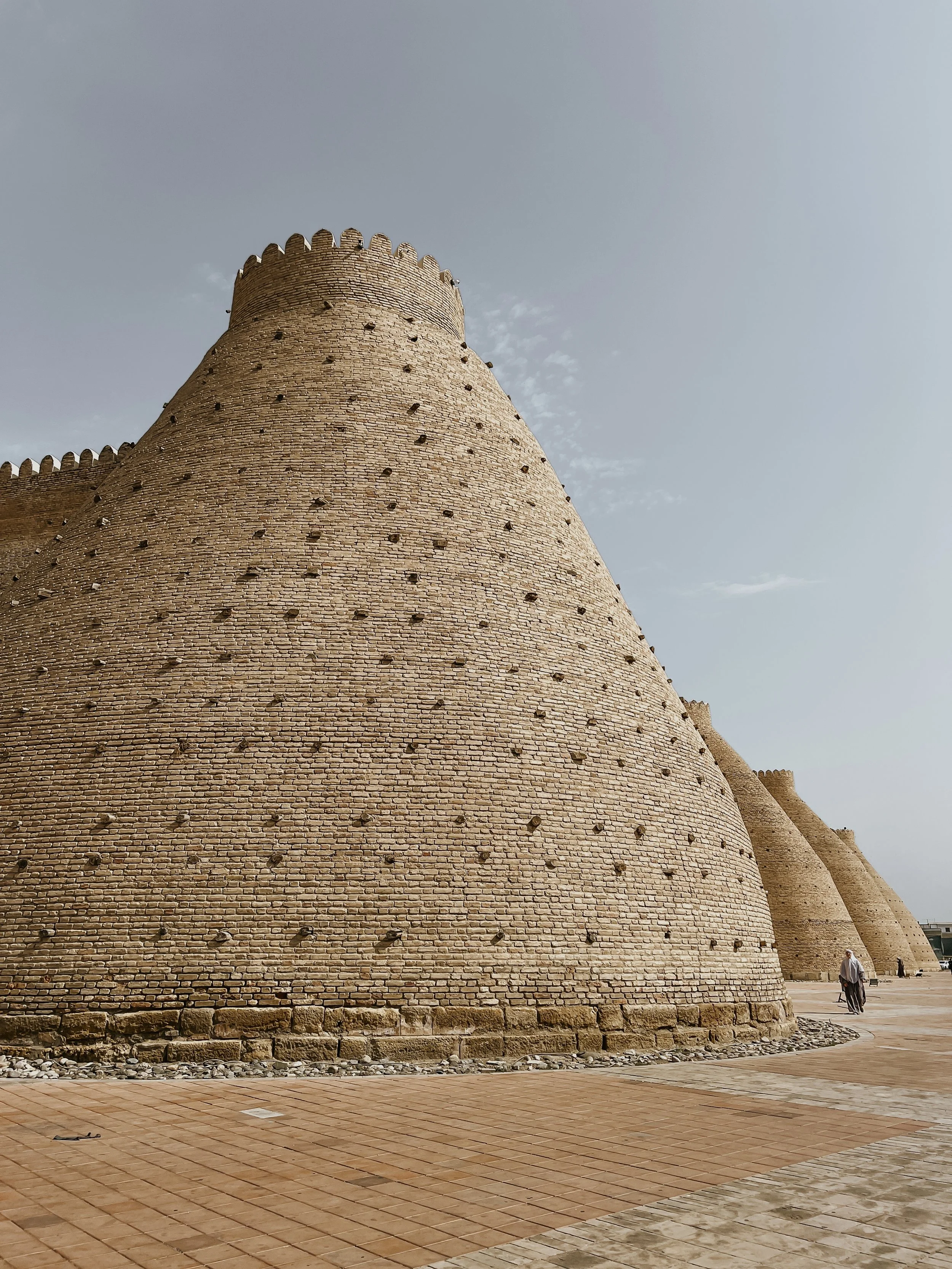
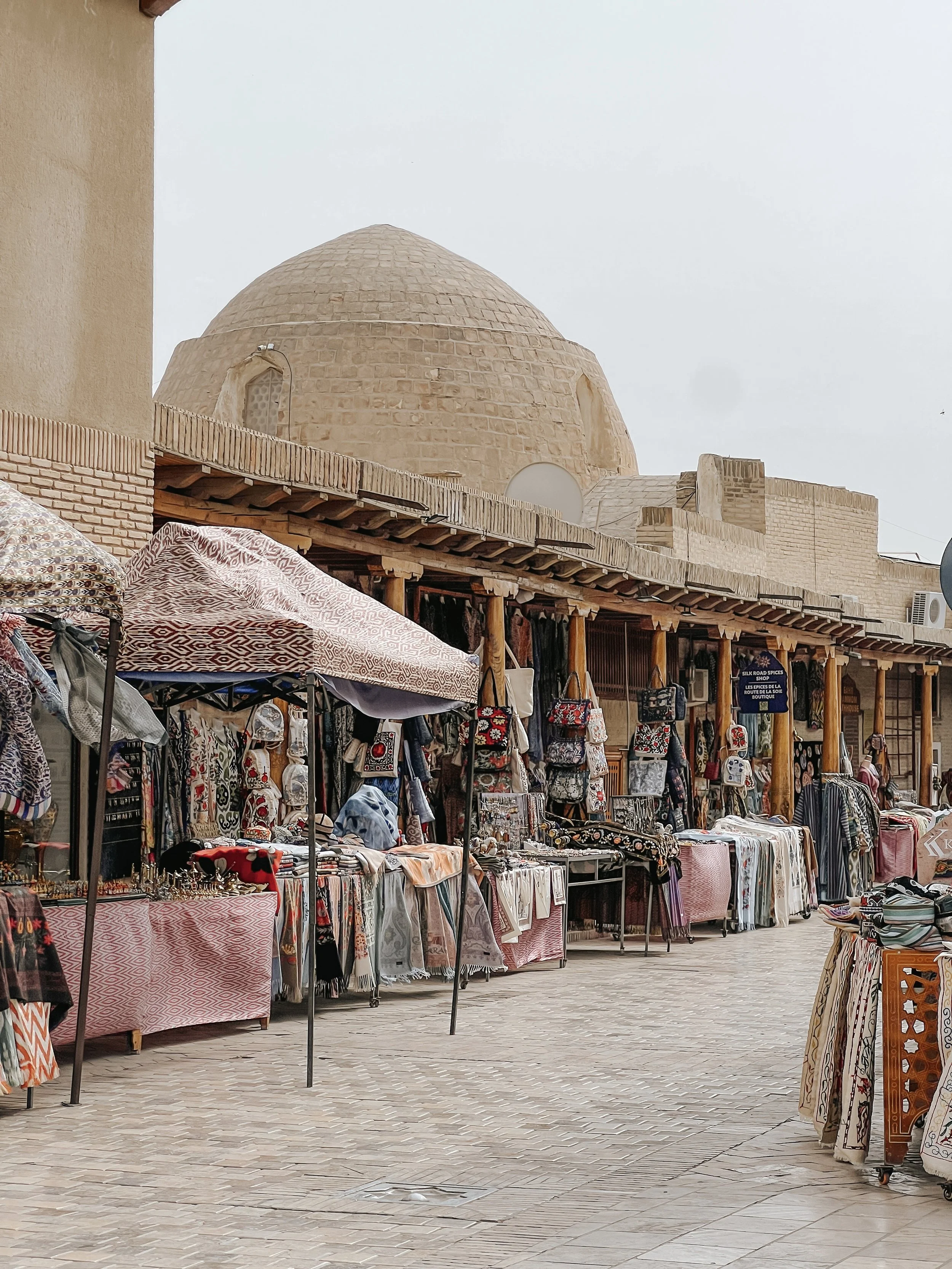
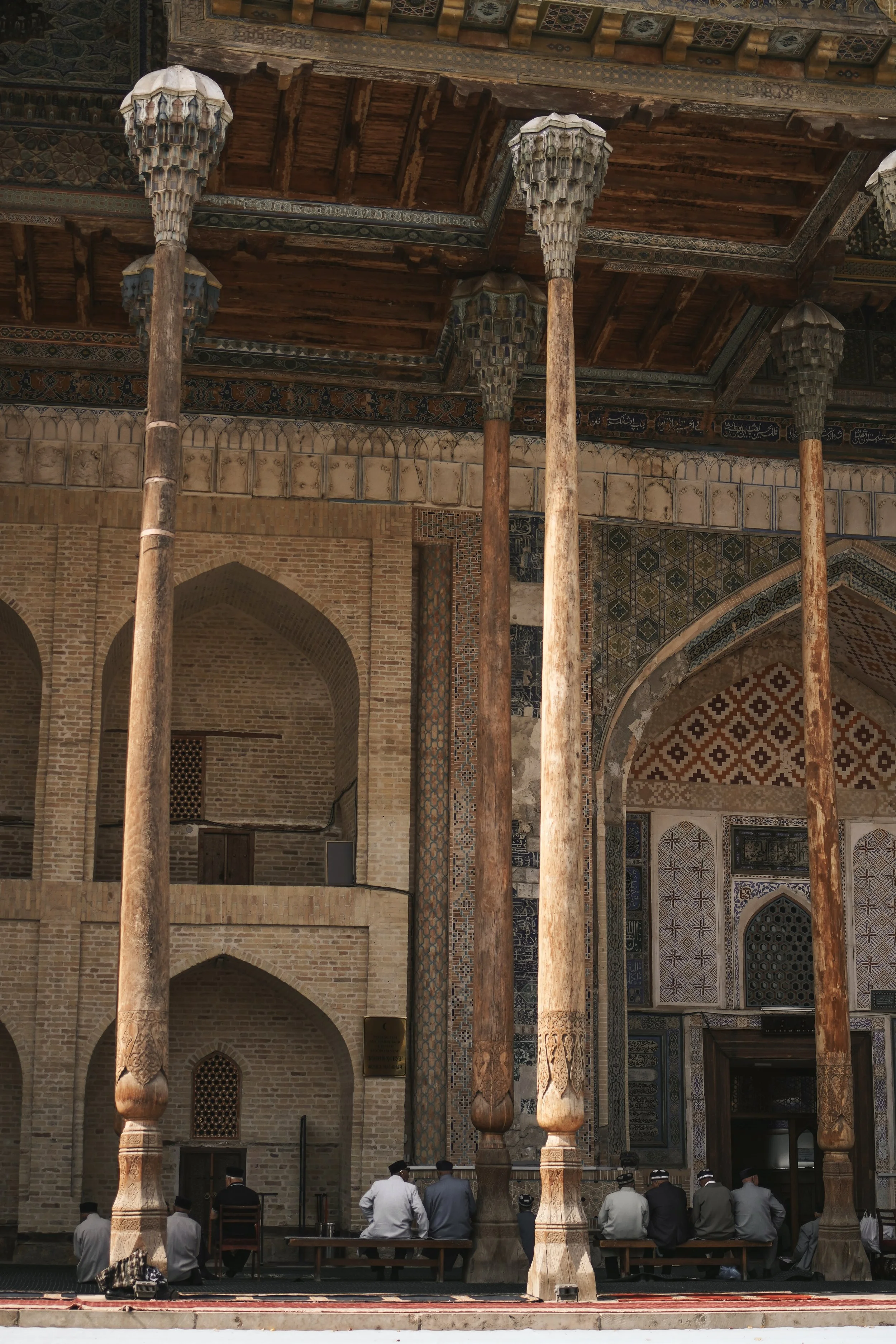
We stepped off the train and into the desert heat, moving straight into the ancient heart of the Silk Road. Our journey through Samarkand, Bukhara, and Khiva felt like walking through a living history book, where every turn revealed a new shade of blue against the vast canvas of the sand.
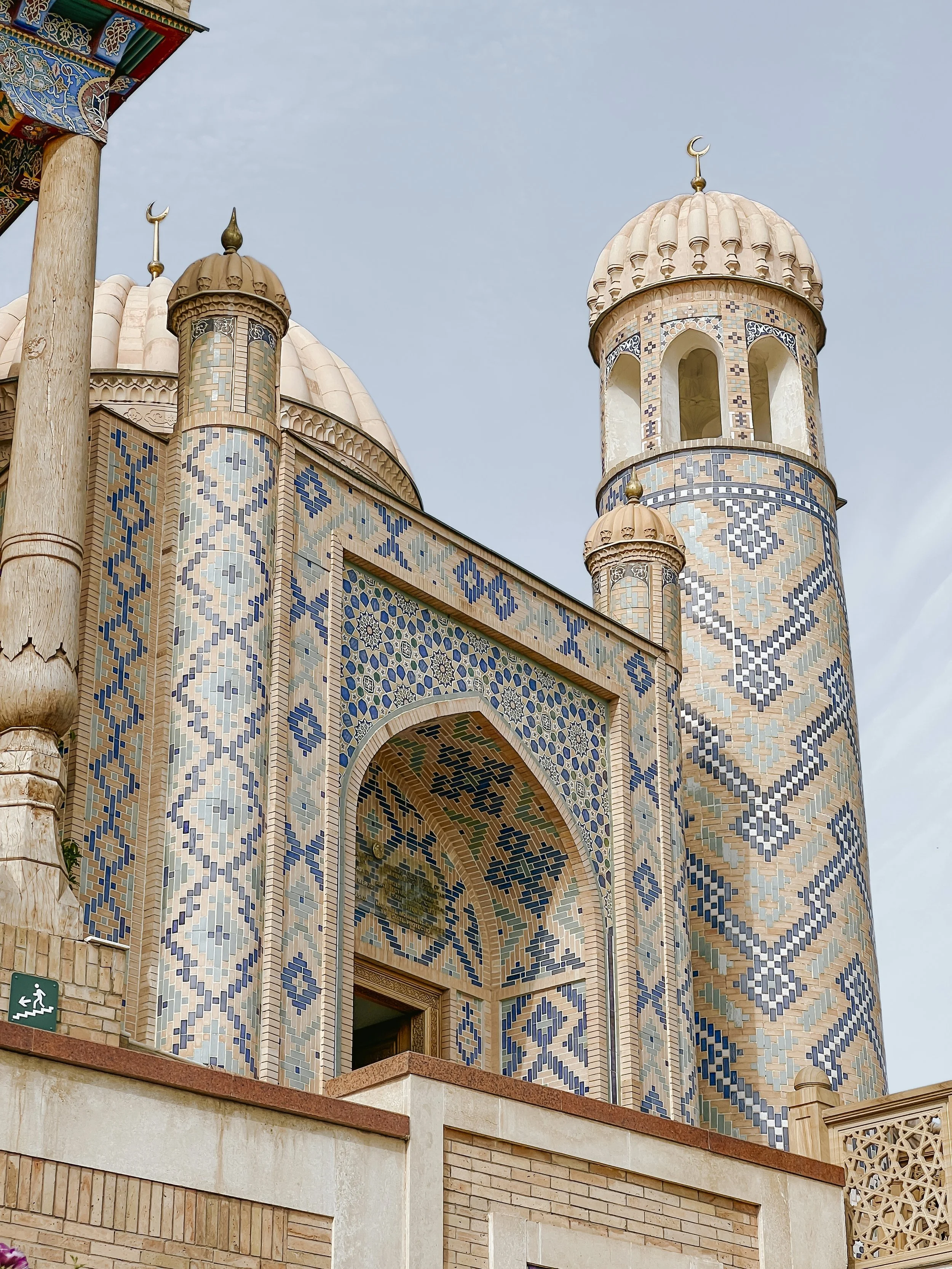
In Samarkand, the Registan appeared as a breathtaking sea of sapphire and turquoise. The massive madrasahs were draped in intricate tiles that seemed to change color as the sun moved, shifting fluidly from a bright sky-blue to a deep, royal navy. Inside the mosques, we found ceilings heavy with gold leaf, glowing like warm embers in the dim light.
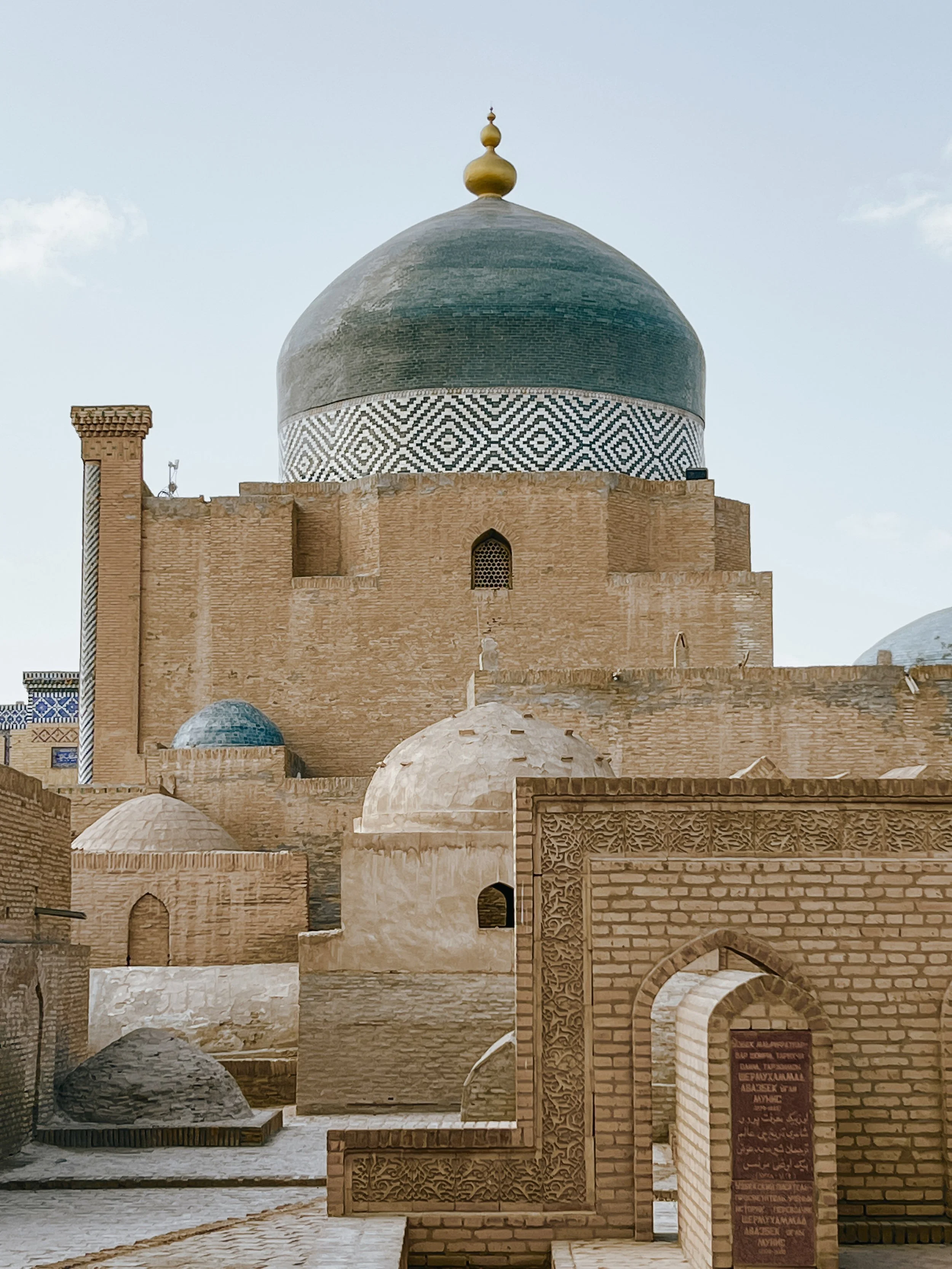
Bukhara felt entirely grounded, dominated by the warm, earthy tones of sun-dried brick. We wandered past historic mosques the color of toasted sand, punctuated by the occasional weathered dome. The Kalyan Minaret rose above us in shades of ochre and terracotta, its textured patterns casting long, geometric shadows across the dusty plazas.
Finally, we reached the walled city of Khiva. The entire town felt as though it was carved from the desert itself, with cinnamon-colored walls glowing in the late afternoon sun. The only break in the beautiful monochrome was the Kalta Minor Minaret, wrapped in brilliant bands of emerald and teal tiles that looked like raw jewels set against the pale brown clay.
As we left the desert behind, the vibrant blues and earthy golds of the Silk Road stayed with us. These ancient cities are far more than just monuments of stone and tile; they stand as a quiet testament to centuries of artistry and connection. We walked away feeling as though we hadn’t just witnessed history, but had briefly lived within its most colorful chapters.
VIETNAM
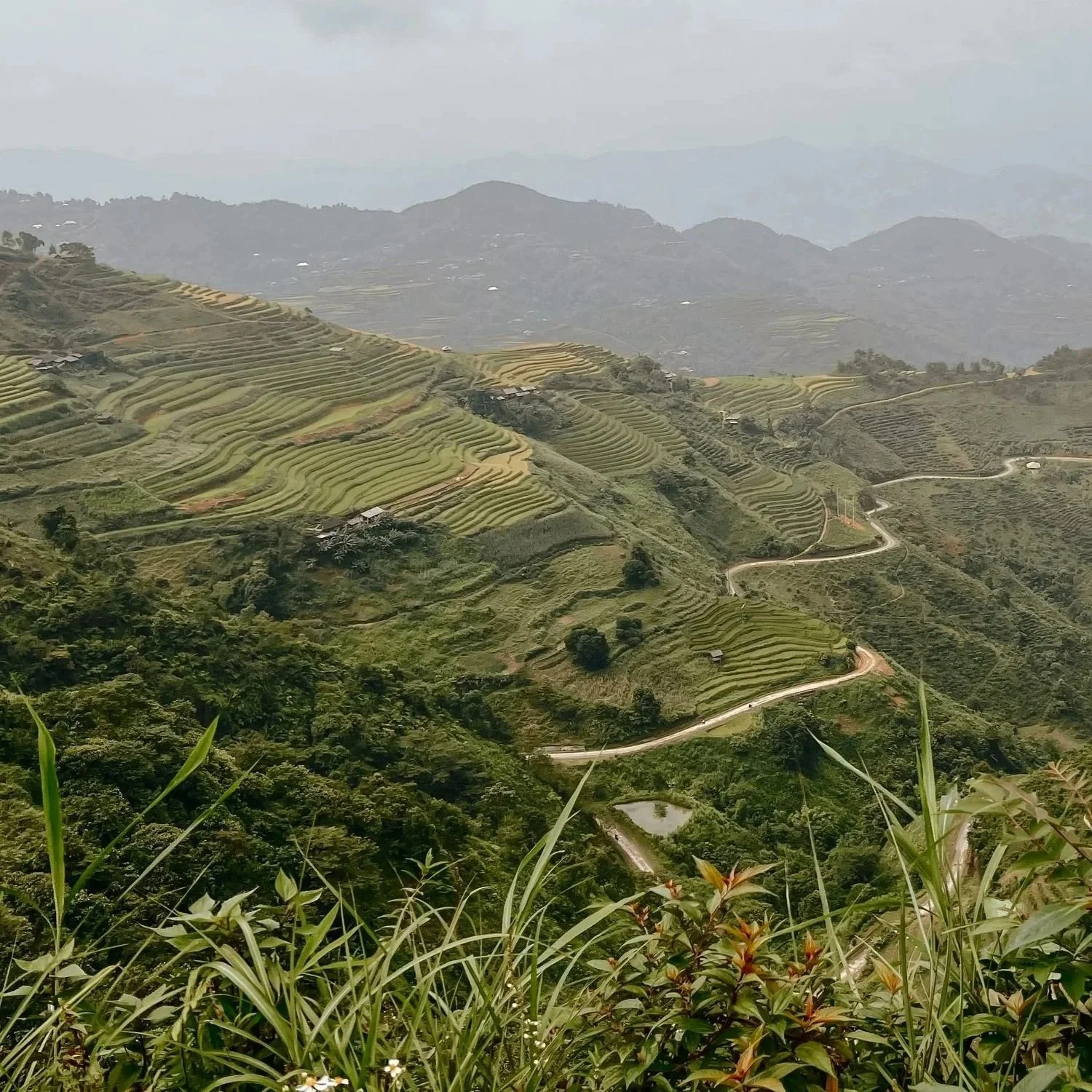
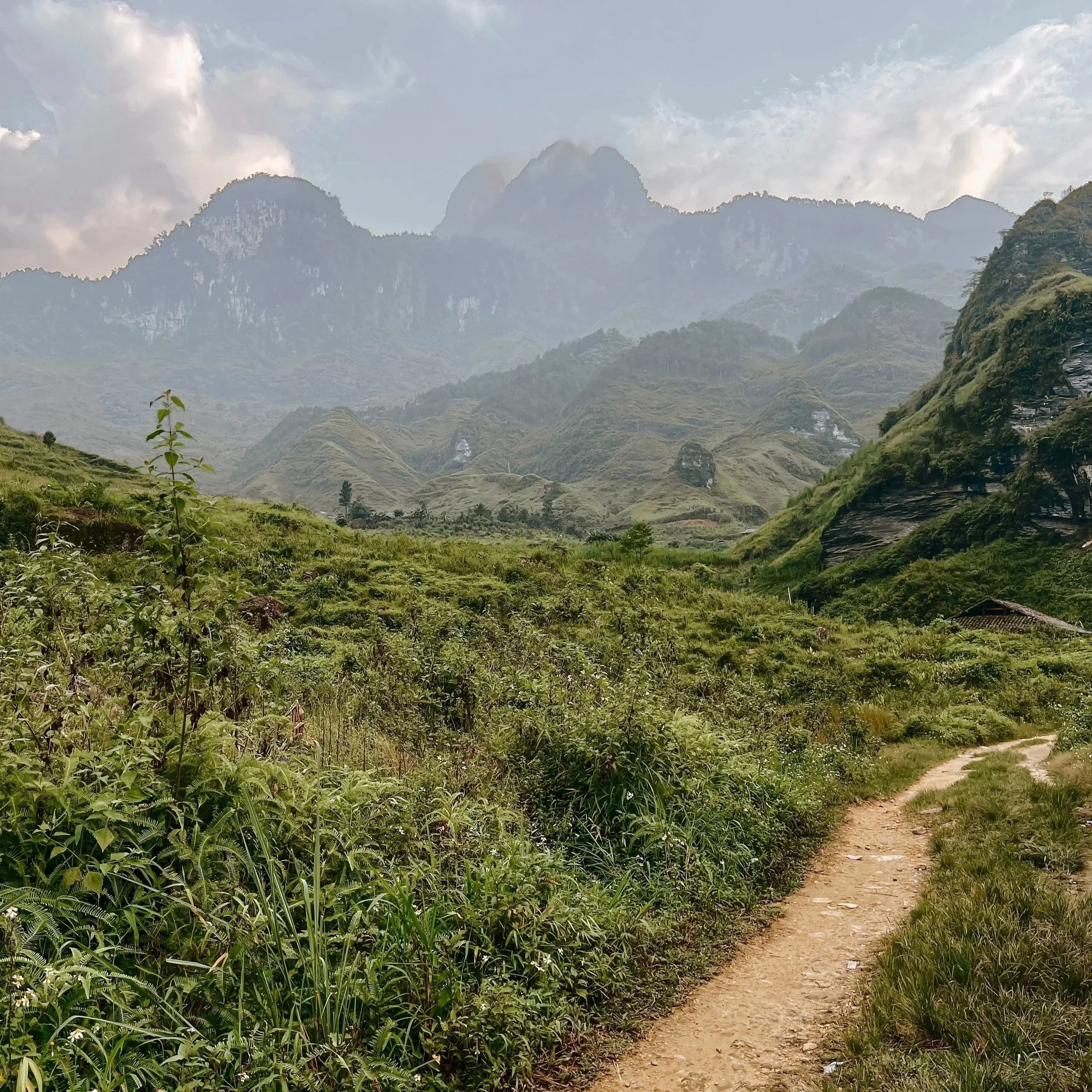
The air in Northern Vietnam takes on a entirely different quality in late September. The heavy humidity of summer breaks, replaced by a crisp mountain breeze that carries the scent of woodsmoke and ripening grain. Traveling through the Ha Giang Loop feels less like navigating a road and more like entering an entirely different era, defined by towering limestone pinnacles and the dramatic switchbacks of the Ma Pi Leng Pass.
Our journey coincided perfectly with the region's famed "Gold Season." This is a fleeting, magical window where the terraced rice fields transform from vibrant emerald into a shimmering, brilliant yellow just before the autumn harvest.
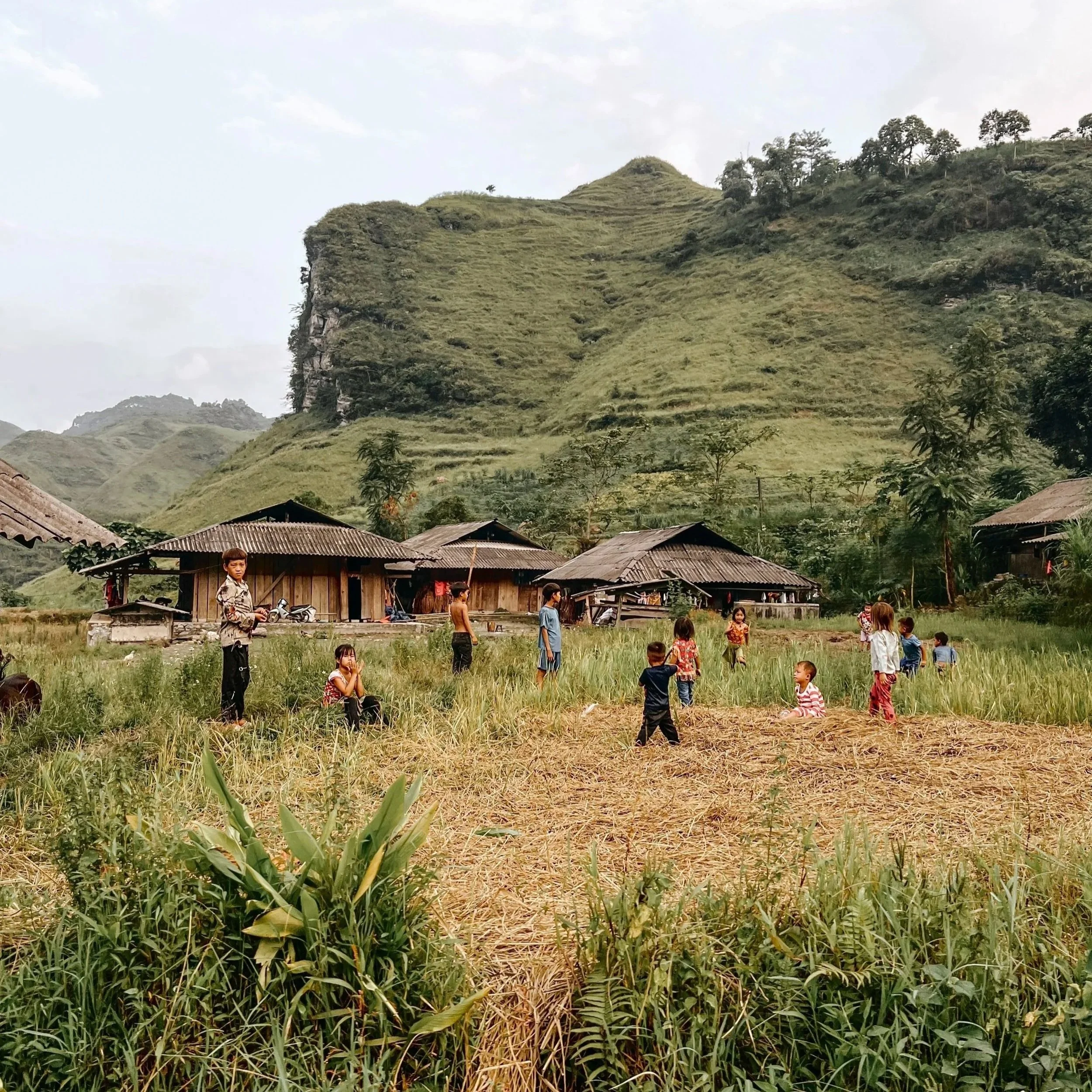
Choosing to explore with a private local guide meant keeping our eyes entirely on the sweeping horizon. There is a deep, rewarding sense of trust that forms when a local expert leads you through their home terrain, bypassing standard tourist tracks to uncover quiet stilt-house retreats and hidden, misty lookout points.
We ended our days sharing traditional, family-style meals with our hosts, watching the clouds pour over the steep peaks like a slow-motion waterfall. It was a beautiful validation of our slow-travel philosophy, proving that the world's most dramatic northern frontiers are best experienced with a patient eye and a deep respect for local rhythms.